Preserve, Explore, and Celebrate Britain's Stamp Heritage
Experience Britain's philatelic history through rare stamps, immersive galleries, and expert-led storytelling.
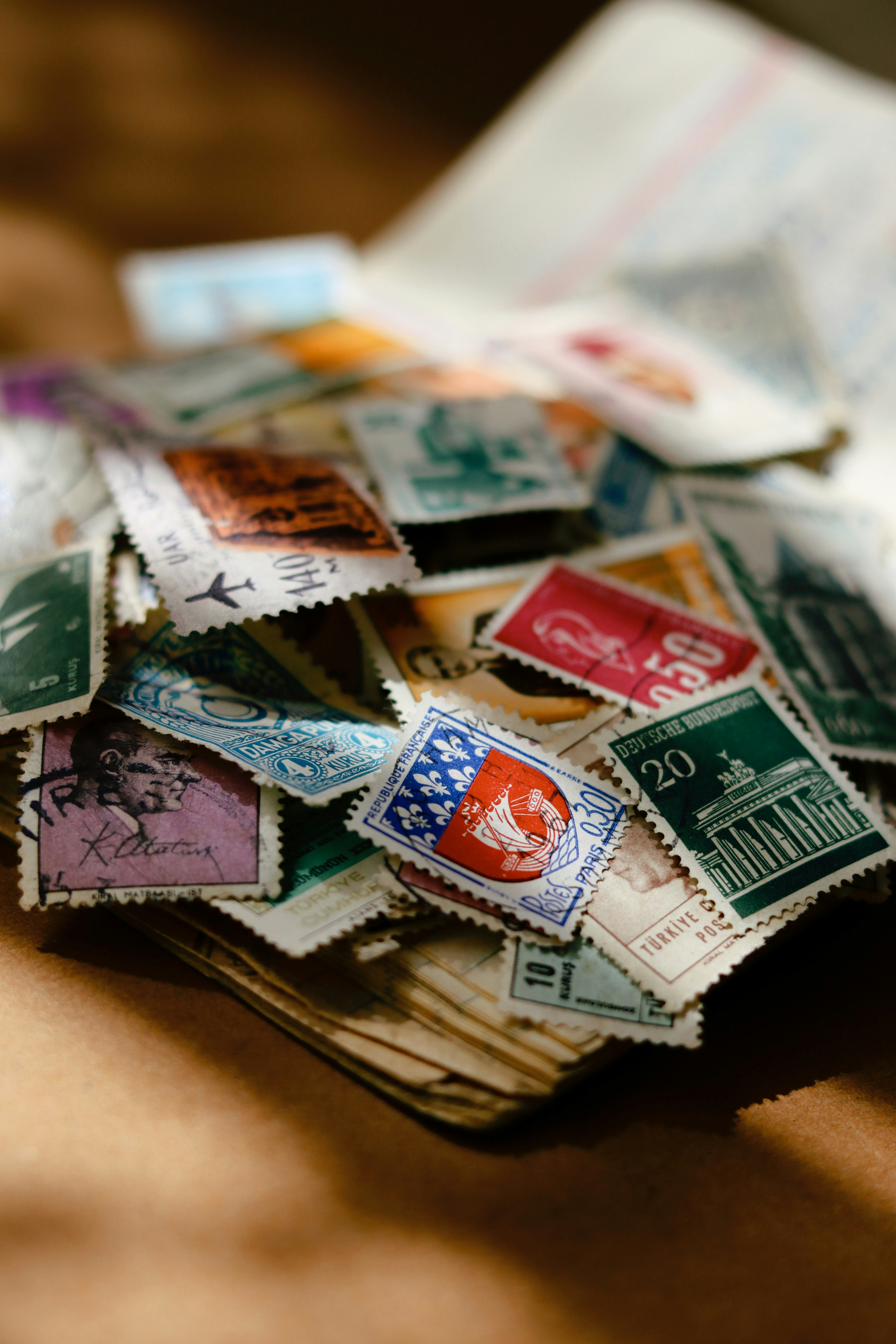
Founded by lifelong stamp lovers, The Stamp Museum preserves Britain’s postal heritage for researchers, families, and curious minds. We blend archival research with dynamic exhibits, hands-on workshops, and expert curators to tell the stories behind the stamps—why they were issued, what they captured, and how they shaped everyday life. Our team partners with schools, libraries, and international collectors to bring philately to life for all generations.
What We Offer
Immersive Exhibitions
Rotating, story-driven displays that pair rare stamps with multimedia elements to transport visitors into Britain's postal past. Each exhibition combines archival artifacts, expert narration, interactive stations, and curated catalogs to provide context, deepen understanding, and inspire curiosity across generations.

Educational Programs
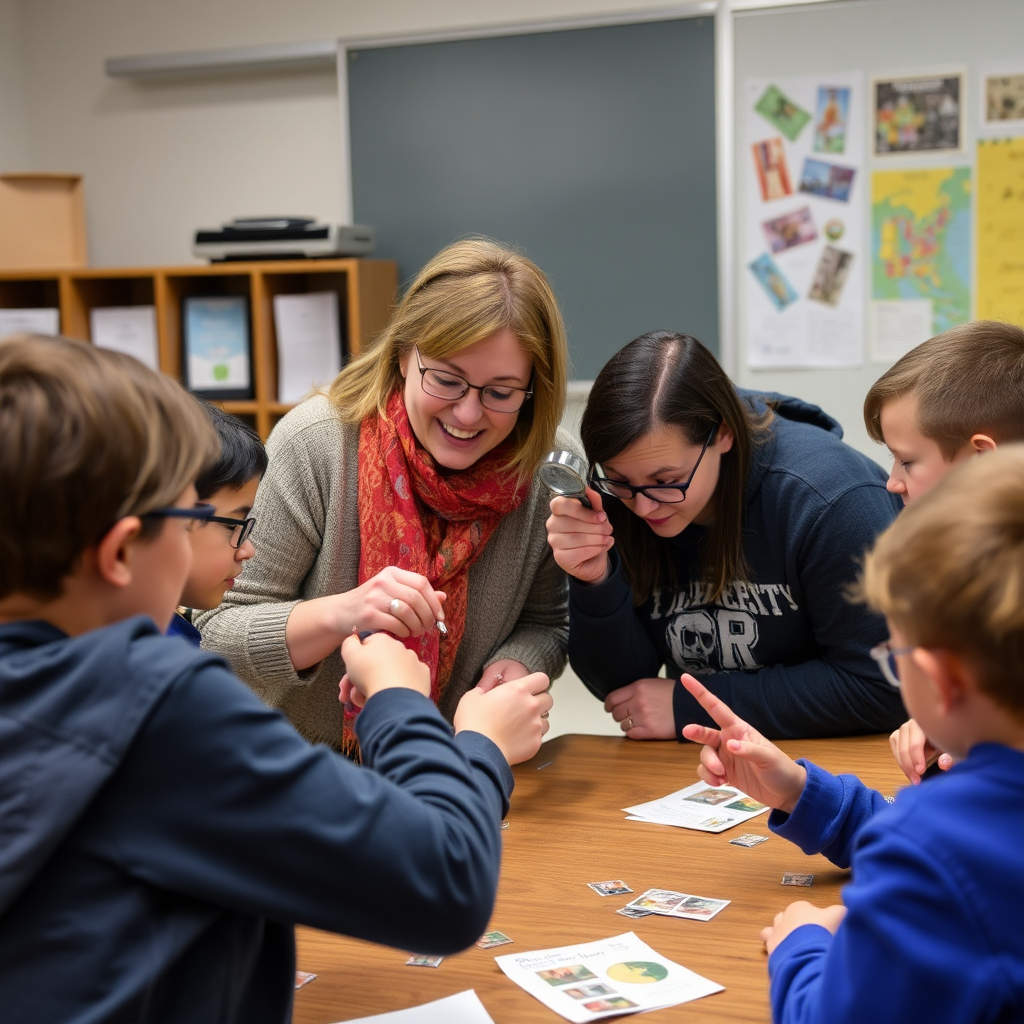
Guided tours, school workshops, and stamp-collection activities designed for classrooms and family groups. Programs align with curricula on history, geography, and art, offering age-appropriate content, take-home resources, and opportunities for students to start their own mini collections with expert guidance.
Research & Archives Access
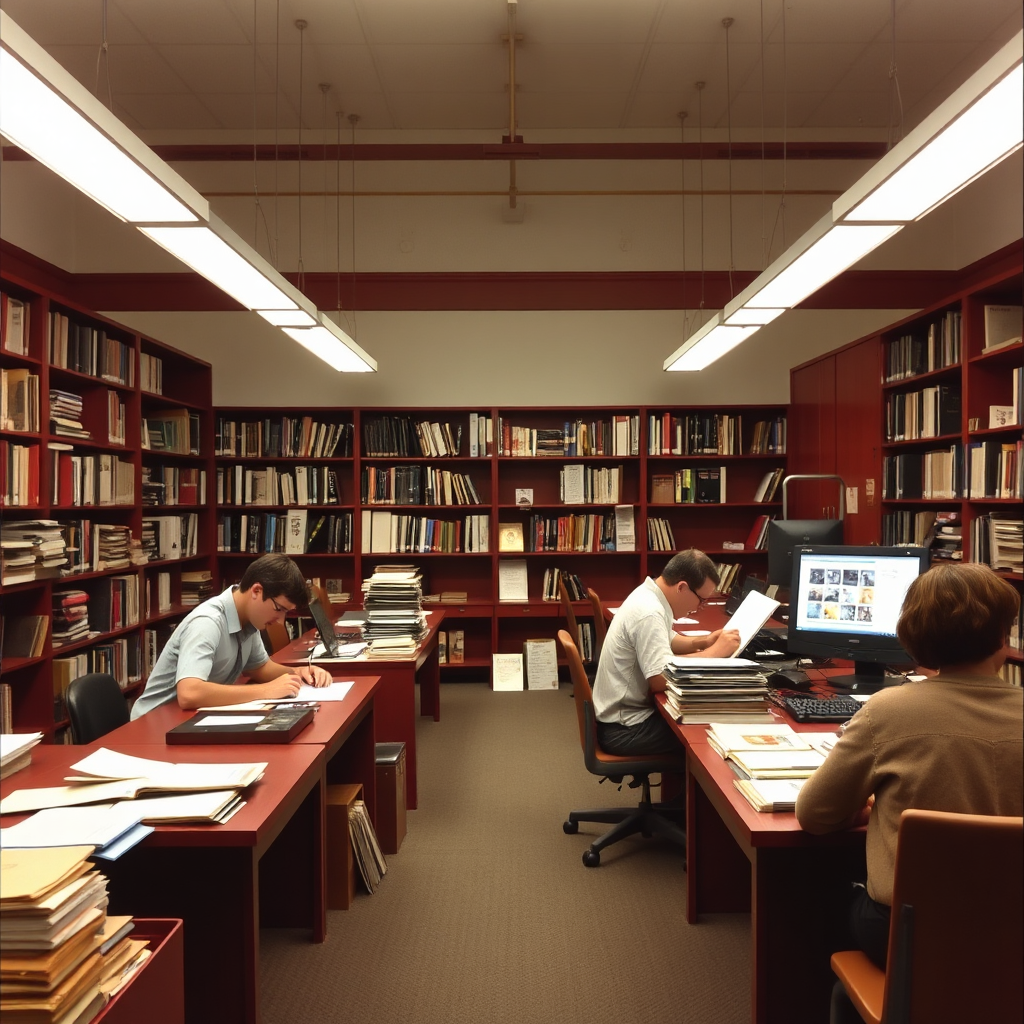
On-site reading room and digital catalogs enabling researchers and serious collectors to study stamps, postmarks, and period correspondence. Staff assist with provenance research, provide high-resolution image requests, and connect enthusiasts with international archives.
engaging topic-based title for The Stamp Museum: A Portal into Britain's Philatelic Heritage
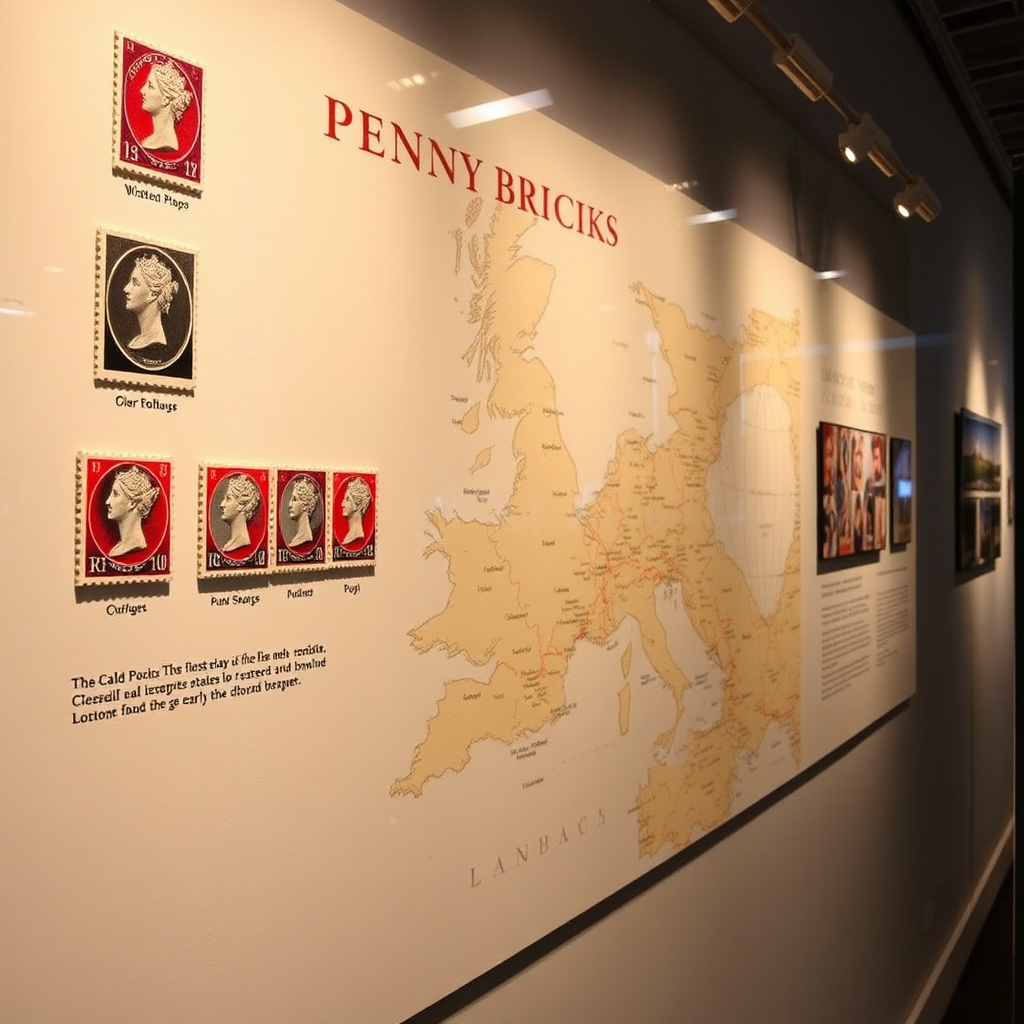
Highlight Britain's early postal routes
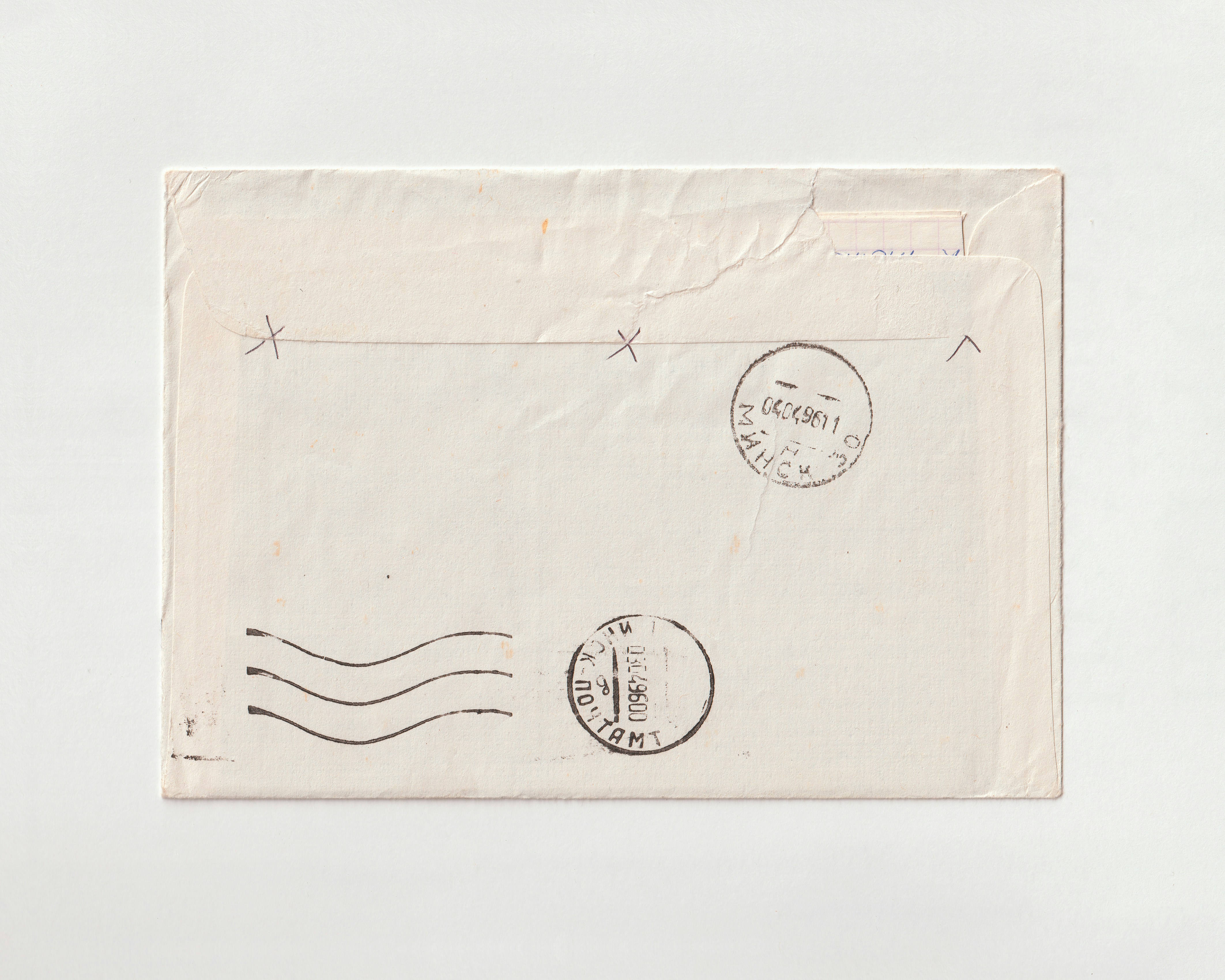
Showcase stamps from the Penny Black era and early post routes, paired with interactive maps and audio guides that explain how routes shaped commerce and communication. Visitors learn to read cancellation marks, identify printing varieties, and see how imperial connections influenced everyday life. Includes a hands-on map station for group exploration.
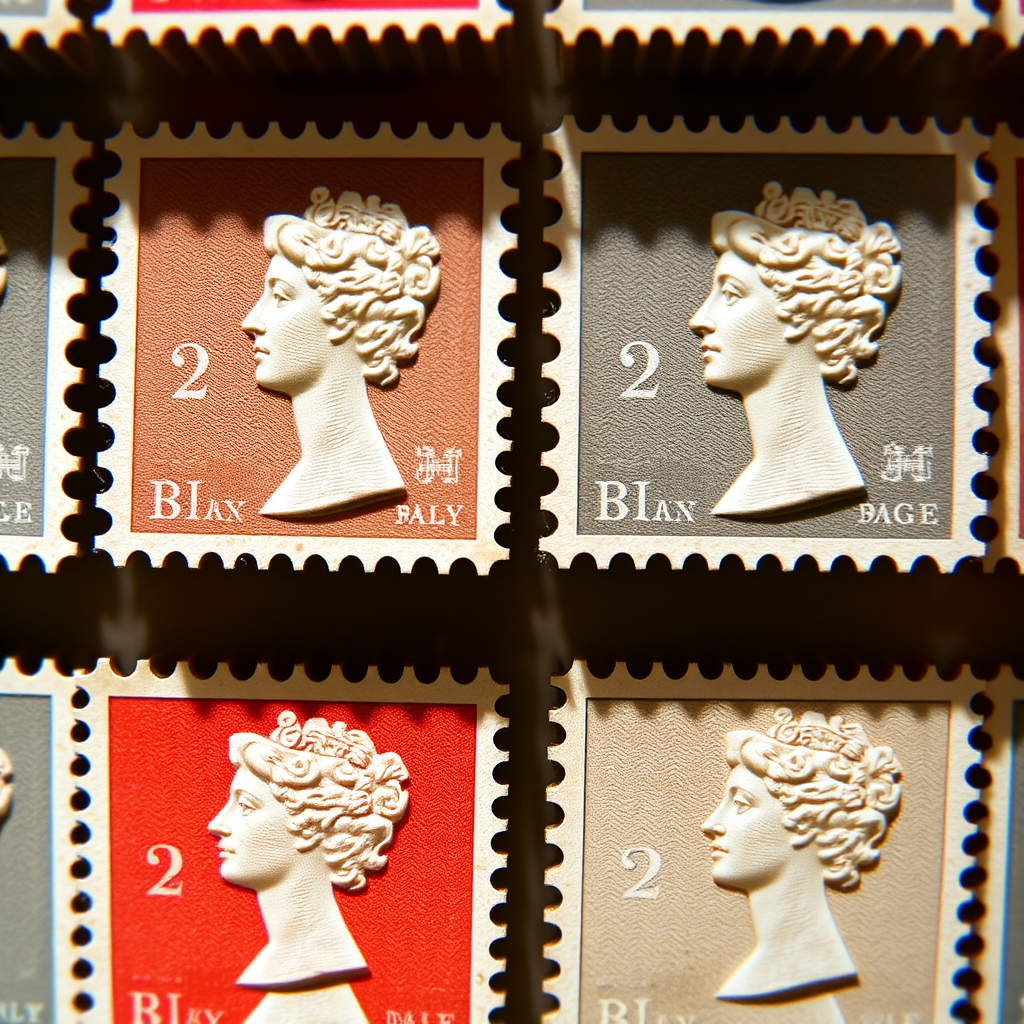
Showcase iconic stamp designs and printing techniques
Highlight iconic designs, perforation tests, and plate proofs with close-up photography and tactile displays so visitors understand production methods and artistry behind stamp issues. Include interactive experiments showing ink variation, engraving techniques, and color separation challenges that shaped collectors' understanding.
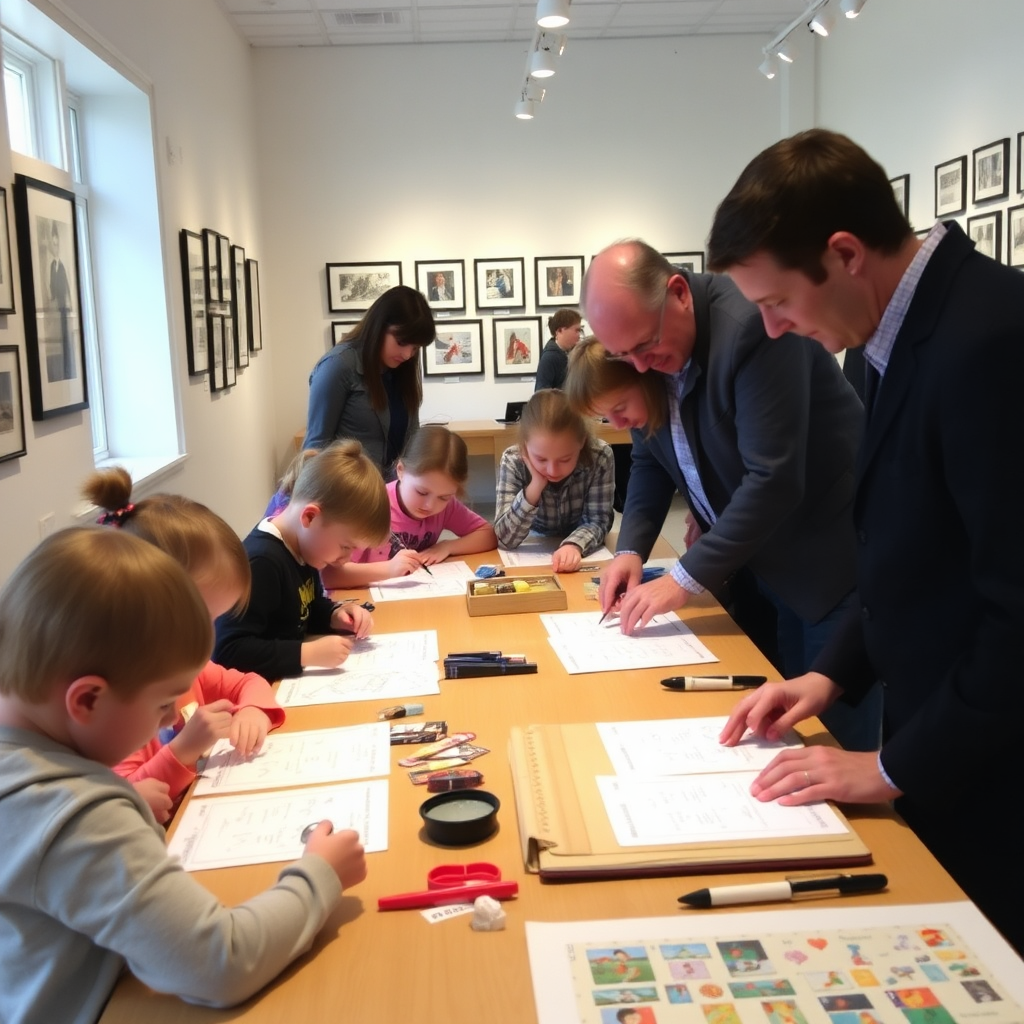
Engage visitors with hands-on philately workshops
Offer family-friendly workshops where visitors affix stamps to pages, mount sheets, and catalog favorites, guided by educators who explain stamp terminology, care, and value. Activities emphasize preservation, identifying fakes, and building personal collections while sharing stories of the countries and people behind each issue.
engaging topic-based title for Stamps, Postal History, and the Stories They Tell
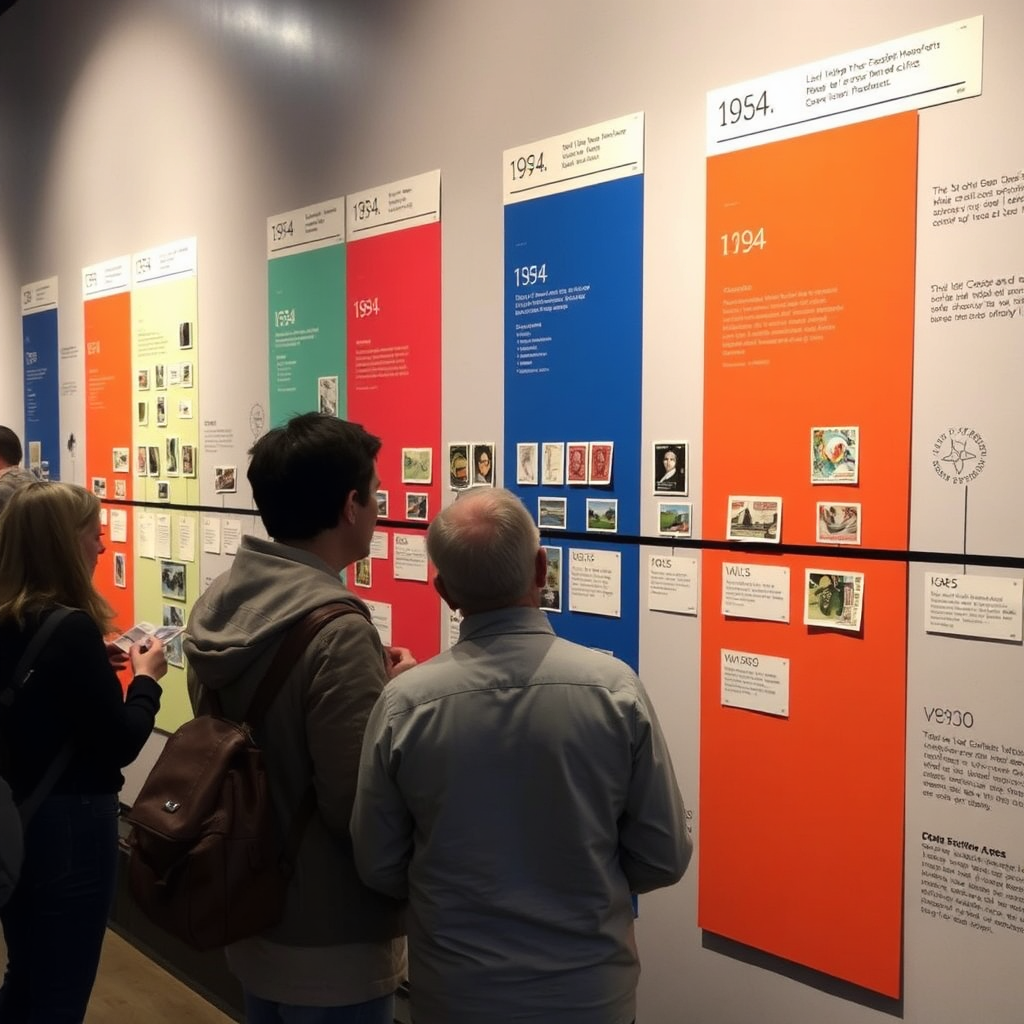
Trace the postal service's evolution through symbols and postmarks
Explore how logos, insignia, and cancellations map the growth of communication networks, political power, and everyday life. Compare early postmarks with modern digital stamps, and learn to read the evolving language of mail through captions, timelines, and interactive displays that connect stamps to social history.
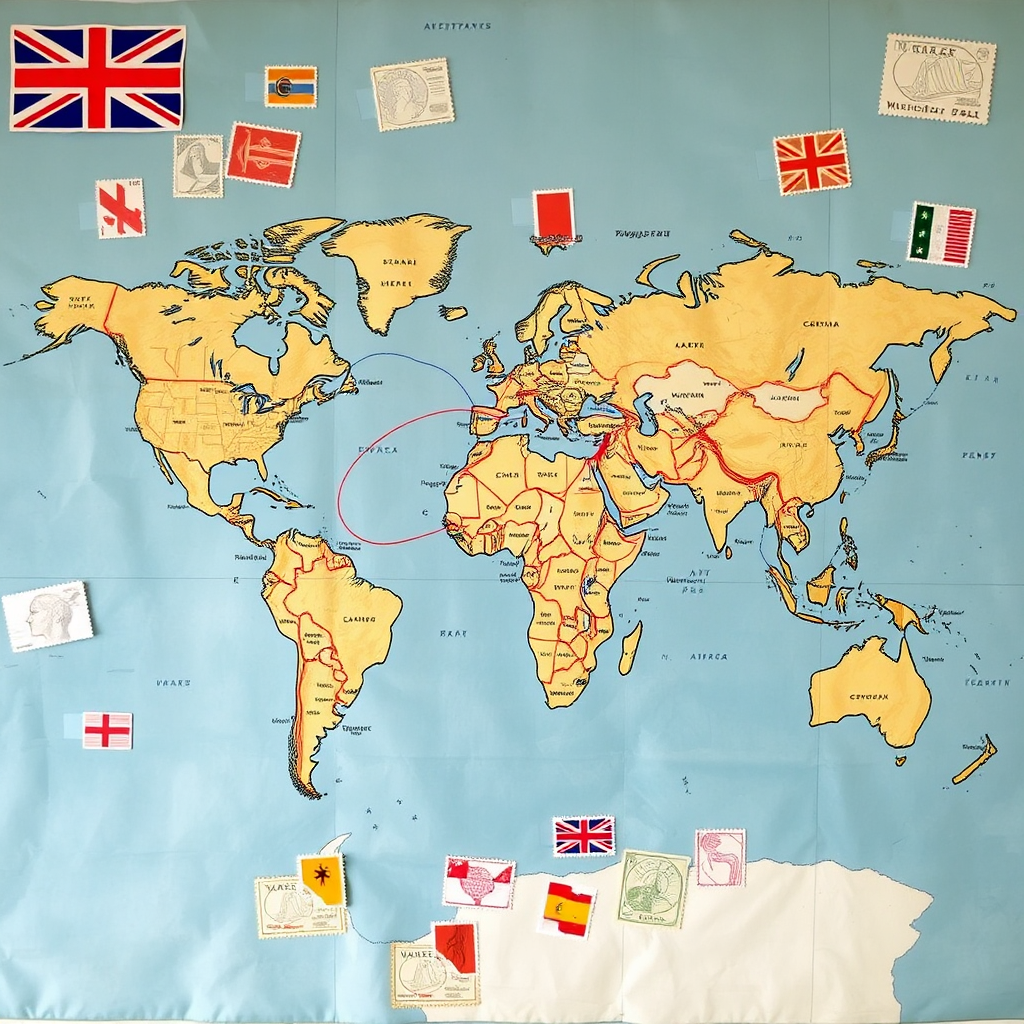
Discover migration and trade via mail routes
Follow routes that carried goods, ideas, and people across oceans and borders. Interactive maps trace colonial networks, while stamp issues reveal shifting alliances and economies. Visitors learn how mail shapes migration patterns, urban growth, and cultural exchange, reinforced by primary sources, audio narratives, and behind-the-scenes archival access.
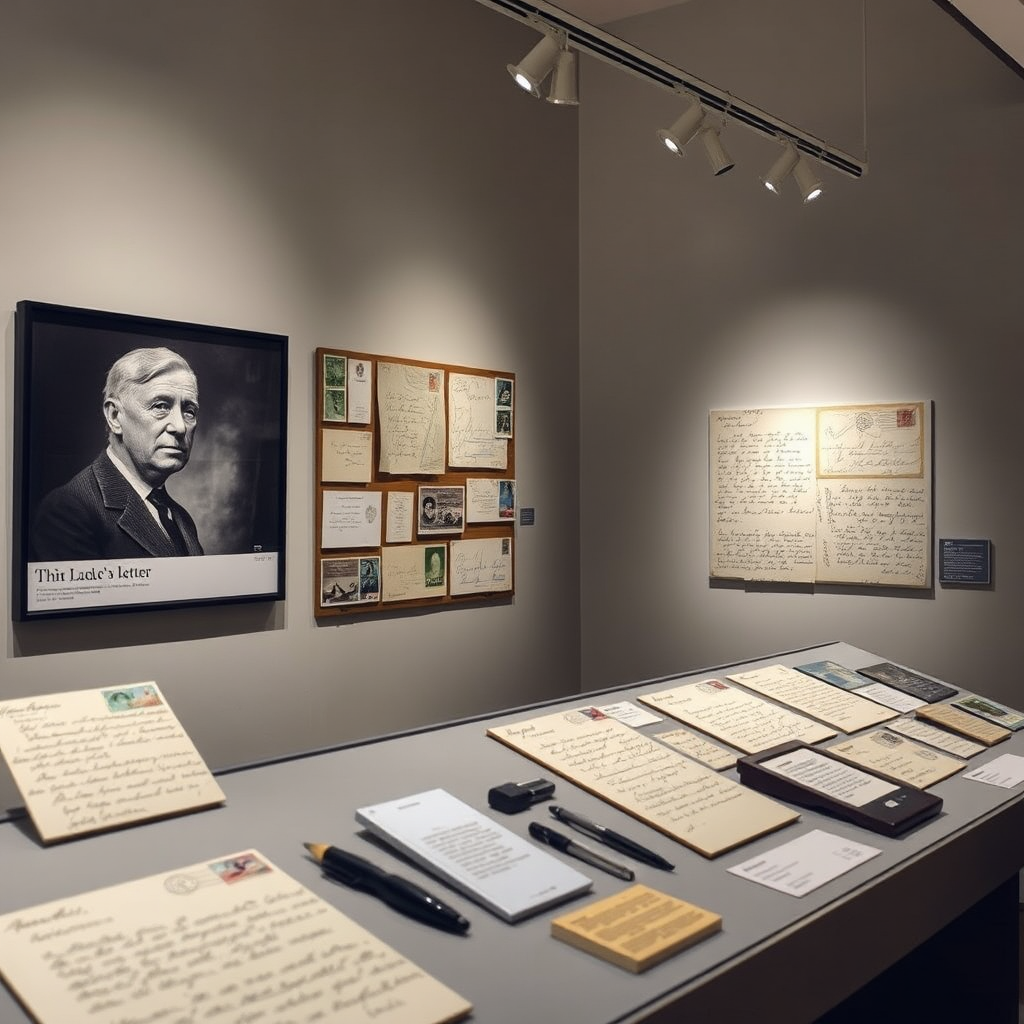
Uncover famous correspondences and letters
Showcase legendary letters and their stamps, from wartime dispatches to personal notes, with context about authors, era, and impact. Hands-on activities offer facsimile annotations, ink analysis demonstrations, and curator talks that illuminate how letters capture moments in history as much as the stamps themselves.
engaging topic-based title for Education, Collecting, and Cultural Preservation in British Philately
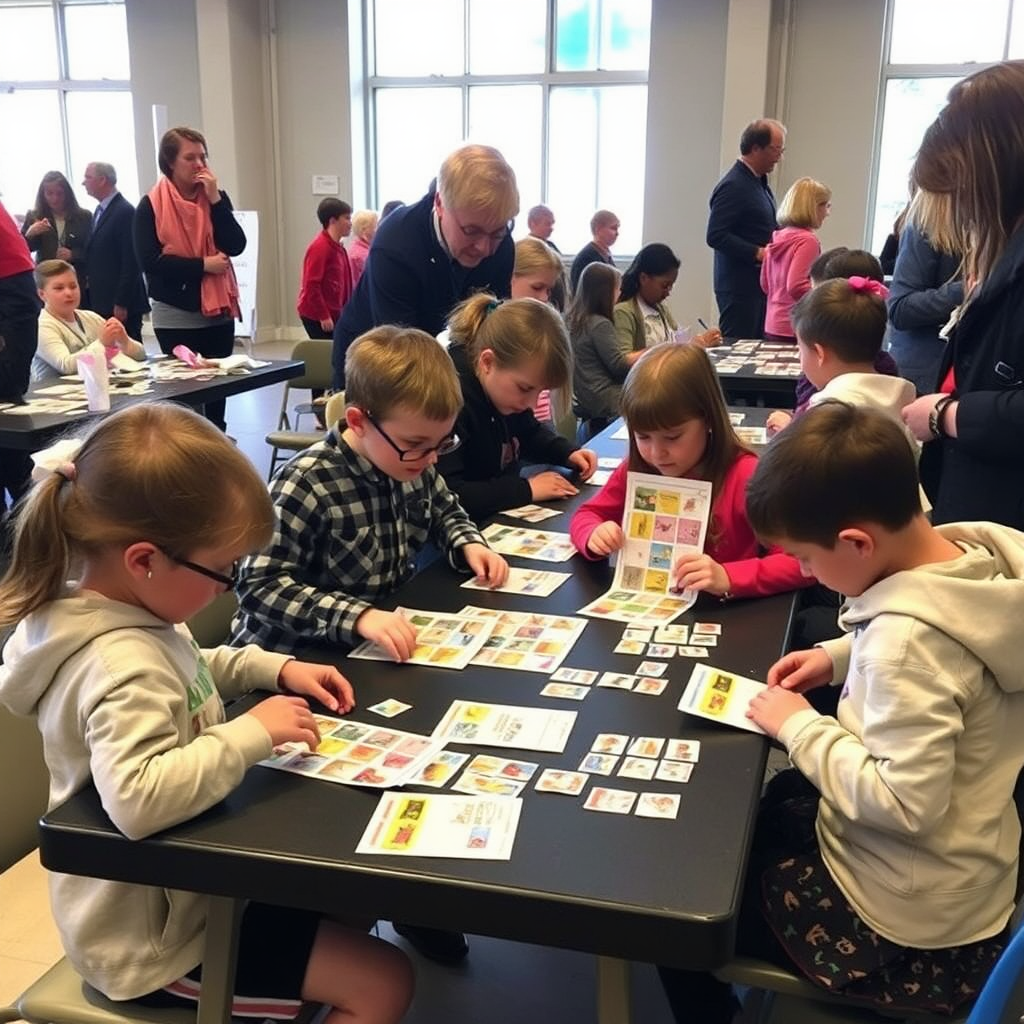
Inspire young collectors with beginner-friendly stamp kits
Provide accessible kits that teach basic collecting, grading, and care. Guides explain cataloging, condition tiers, and stamp terminology in simple terms, while mentors share stories of how collecting connects to British history. Activities emphasize curiosity, patience, and community, turning a hobby into lifelong learning.
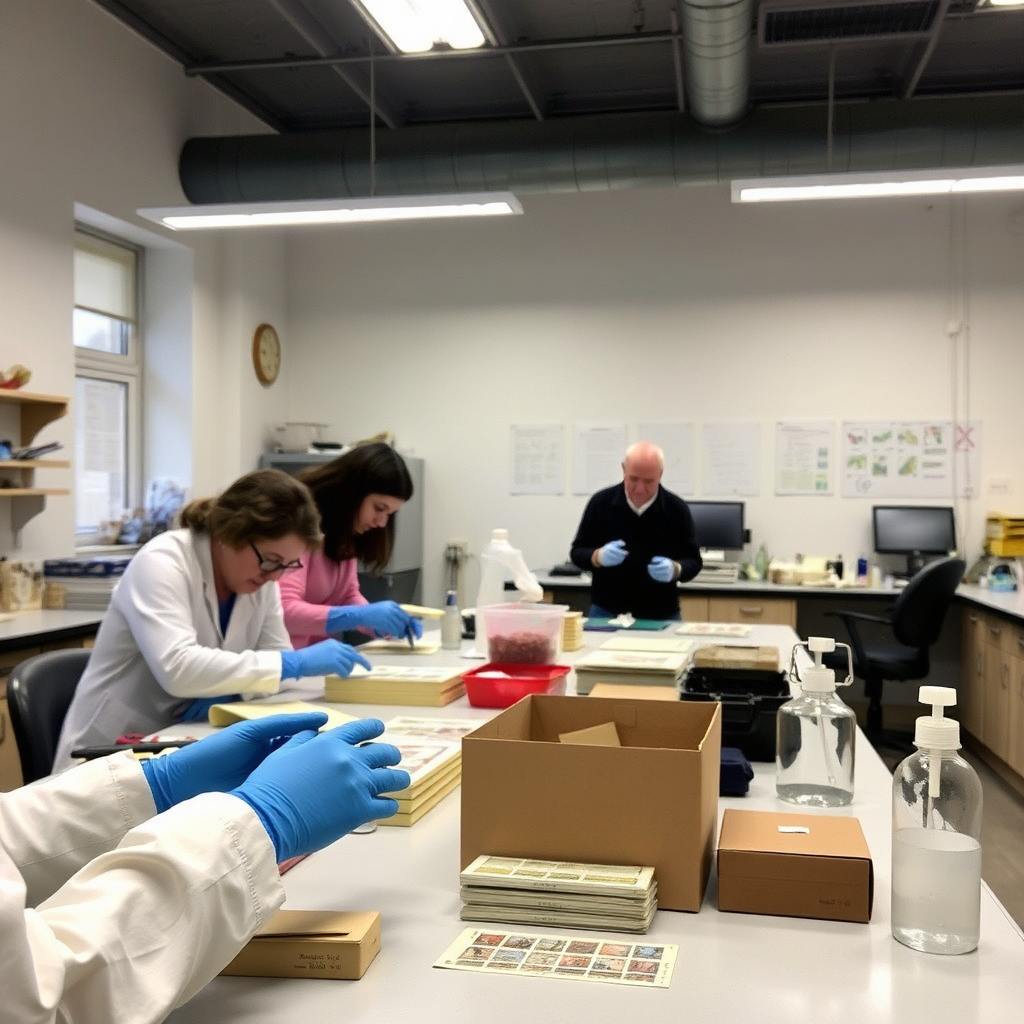
Teach conservation and responsible collecting
Demonstrate proper storage, handling, and appraisal ethics to protect fragile issues. Students learn about environmental controls, archival materials, and provenance, with practical tips for starting a respectful collection. Emphasize sharing knowledge with peers and documenting sources to sustain stamp culture for future generations.
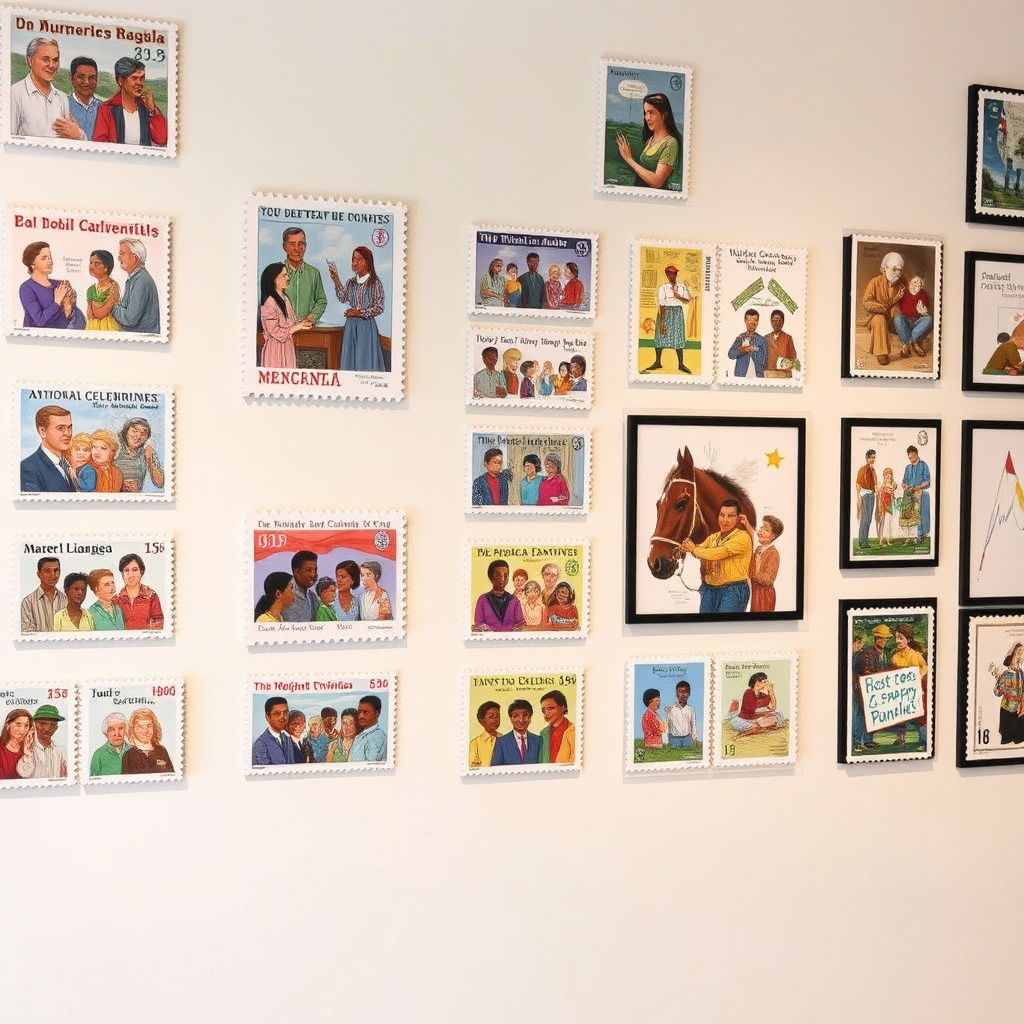
Explore the cultural conversations stamps capture
Examine stamps that reflect diversity, identity, and national narratives. Curators highlight how issues celebrate achievements, challenge stereotypes, and illuminate social change. Activities invite visitors to compare eras, discuss representation, and consider how postal history voices continue to shape British culture today.
What Visitors Say

An inspiring experience. The interactive exhibits and approachable guides brought philately to life for my students, and we left with ideas for classroom projects and a renewed curiosity about Britain's postal history.
Amelia P., Teacher and Stamp Collector

A treasure trove of postal history. The archives access and knowledgeable guides helped illuminate connections between stamps and everyday life, sparking new research directions and collaboration with local museums.
Daniel M., Local Historian

Family-friendly and engaging. The workshops were well planned, and the staff explained terms clearly. We left with a shared project and a newfound appreciation for stamp collecting.
Sophia R., Family Visitor